Why Play is Important for Learning?
-Cognitive Development: How play enhances problem-solving, memory, and critical thinking.
-Social Skills: Cooperative games and pretend play teach sharing, empathy, and conflict resolution.
– Emotional Growth: Play allows children to express and manage their feelings, building resilience and self-regulation.
– Physical Development: Physical play improves coordination, strength, and motor skills.
Types of Play and Their Educational Benefits
– Free Play vs. Structured Play: Explain the differences and how each contributes to learning.
– Pretend Play (Imaginative Play): Fosters creativity and language skills.
– Physical Play: Supports both fine and gross motor skills and encourages active learning.
– Social Play: Teaches cooperation, negotiation, and problem-solving in group dynamics.
– Games with Rules: How these teach children about structure, consequences, and strategic thinking.
Insights for Parents and Educators
– Observing Play to Understand Development: How parents and educators can watch play to learn more about a child’s interests, strengths, and areas for growth.
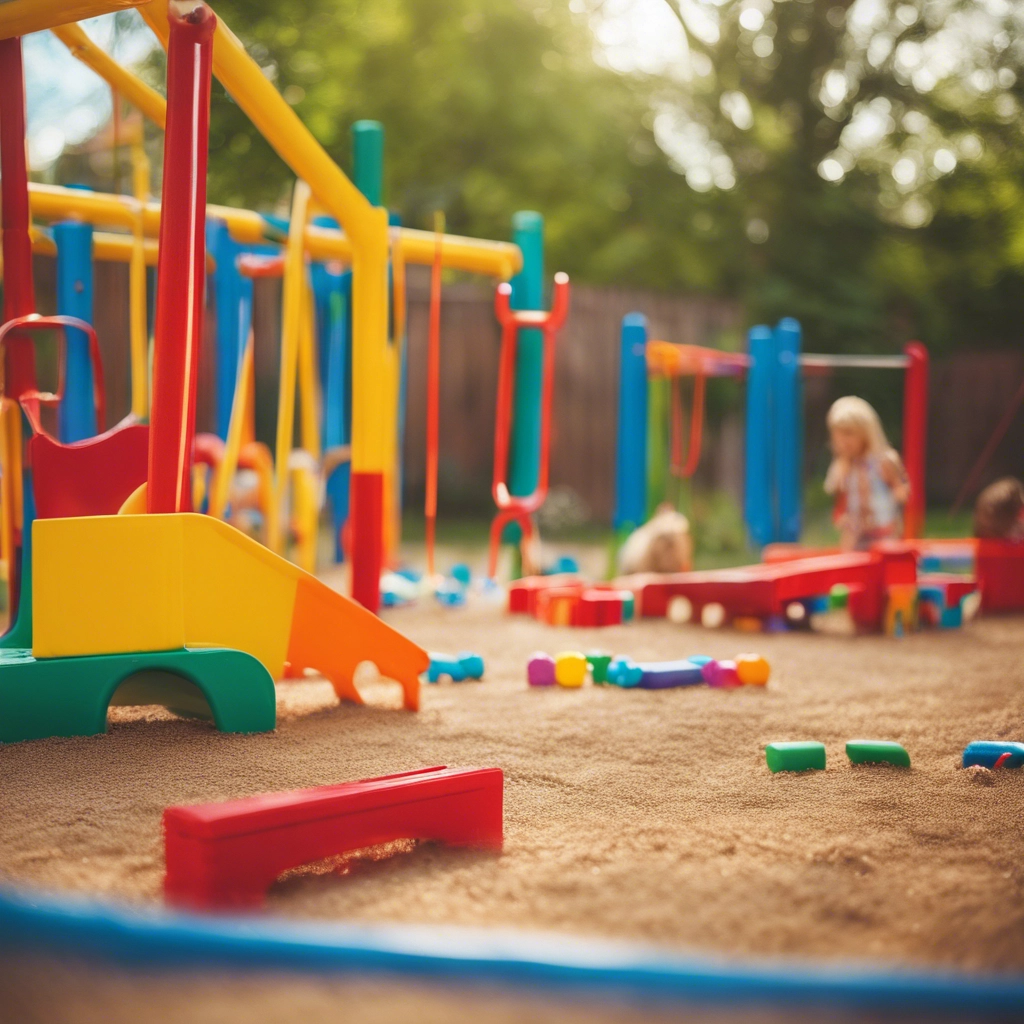
– Providing the Right Environment: Tips on creating play spaces that stimulate learning (indoors and outdoors).
– Balancing Play and Learning: How to ensure play doesn’t feel like a chore but is still educational.
– Age-Appropriate Play: The importance of understanding developmental stages to introduce suitable play activities.
Strategies to Incorporate Play into Learning
– Integrating Learning Goals into Play: Examples like using building blocks for math skills or role-playing for language development.
– Play-Based Learning in the Classroom: Ideas for daycare providers or teachers to use games and playful activities in daily lessons.
– Encouraging Play at Home: Practical advice for parents on fostering creative play without relying on screens or expensive toys.
Overcoming Common Challenges
– Limiting Screen Time: How to encourage more active play in the age of digital distractions.
– Finding Time for Play in Busy Schedules: Suggestions for fitting in play even during structured routines.
– Play for Different Learning Styles: How to tailor play to suit visual, auditory, and kinesthetic learners.
The long-term benefits of play for a child’s development, reminding parents and educators that play is more than just fun—it’s a vital component of learning.