Engaging and Educational Activities for Young Children.
From sensory bins to nature walks, these hands-on activities promote crucial skills like motor development, problem-solving, and creativity. Don’t miss out on these engaging ideas to boost your child’s growth—check out the full post now!
Title: 10 Engaging and Educational Activities for Young Children
The importance of early childhood education, toddlers learn best through play, and these activities can foster important skills like language, motor development, creativity, and social skills.
1. Sensory Bins
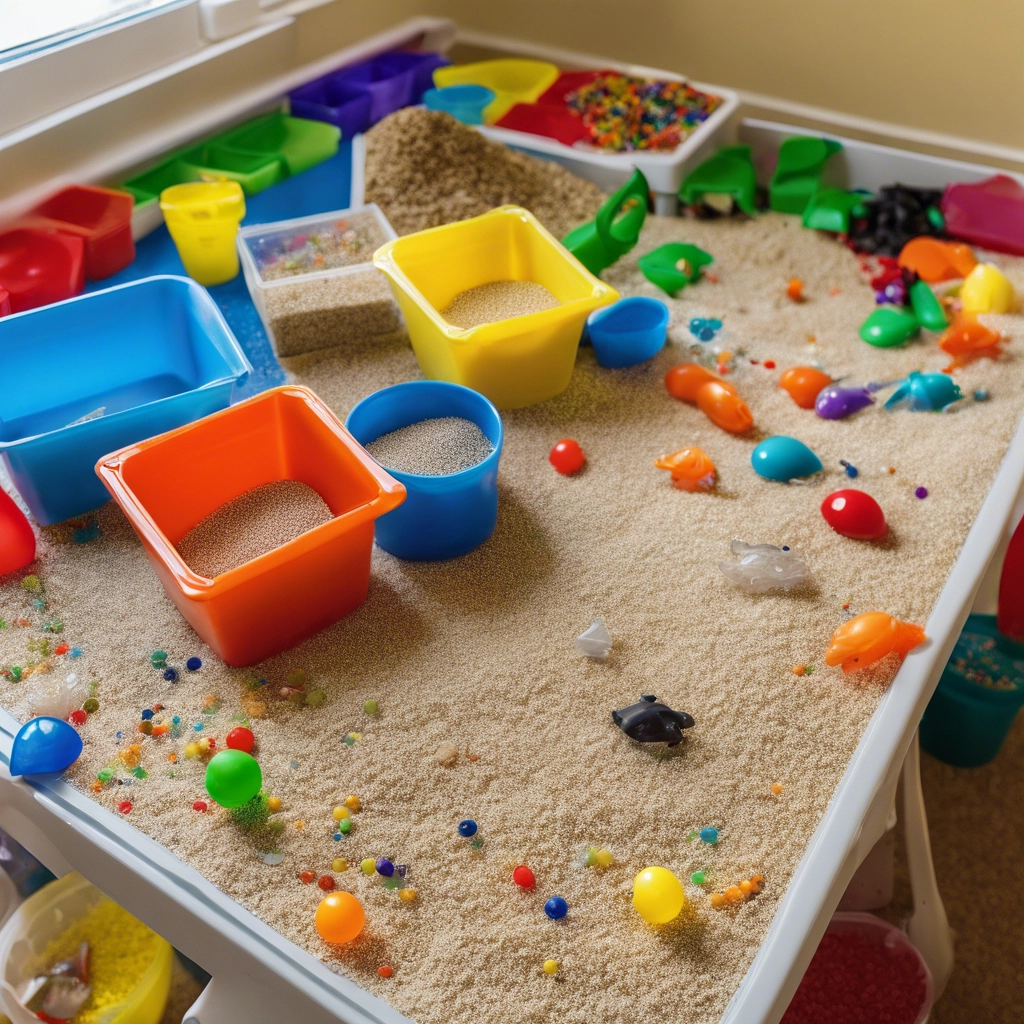
Sensory play is crucial for toddlers, helping them develop fine motor skills and cognitive abilities. Create a sensory bin using rice, sand, or water, and add small toys, scoops, or spoons for your toddler to explore.
– Skills Developed: Fine motor skills, sensory processing, concentration
– Materials Needed: Bin, rice or sand, scoops, small toys
– Tip: Switch up the contents of the bin regularly to keep your child engaged.
2. Color Sorting Games
Use everyday items like blocks, socks, or pom-poms in various colors. Encourage your toddler to sort them by color into matching bowls or containers.
– Skills Developed: Color recognition, early math skills, fine motor coordination
– Materials Needed:Colored items (blocks, pom-poms, buttons), matching containers
– Tip: Start with just a few colors to avoid overwhelming your toddler.
3. DIY Puzzles
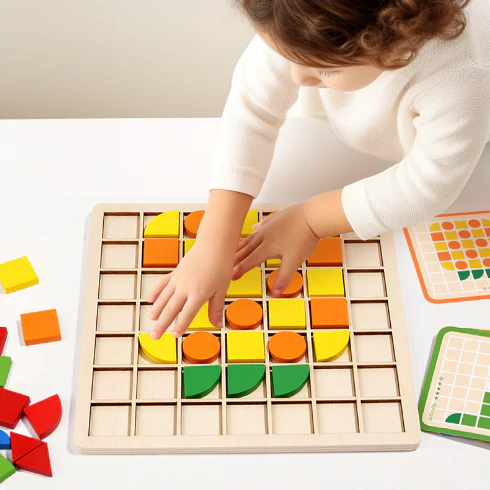
Create simple puzzles using cardboard or old magazine pictures. Cut them into large, easy-to-handle pieces that your toddler can assemble.
– Skills Developed: Problem-solving, hand-eye coordination, spatial awareness
– Materials Needed:Cardboard, scissors, markers, magazine cut-outs
– Tip:For an added educational twist, make puzzles with letters or numbers.
4. Outdoor Nature Walks
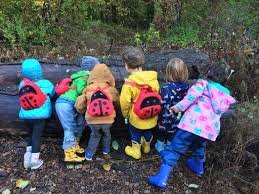
A nature walk is a wonderful way for toddlers to engage their senses and learn about the environment. Bring a basket and collect leaves, rocks, or flowers. Talk about the colors, shapes, and sizes.
Skills Developed: Observation, vocabulary, sensory exploration
Materials Needed: Basket, comfortable shoes
– Tip:After the walk, make a nature collage or sensory tray with the items you’ve collected.
5. Shape Hunt Around the House
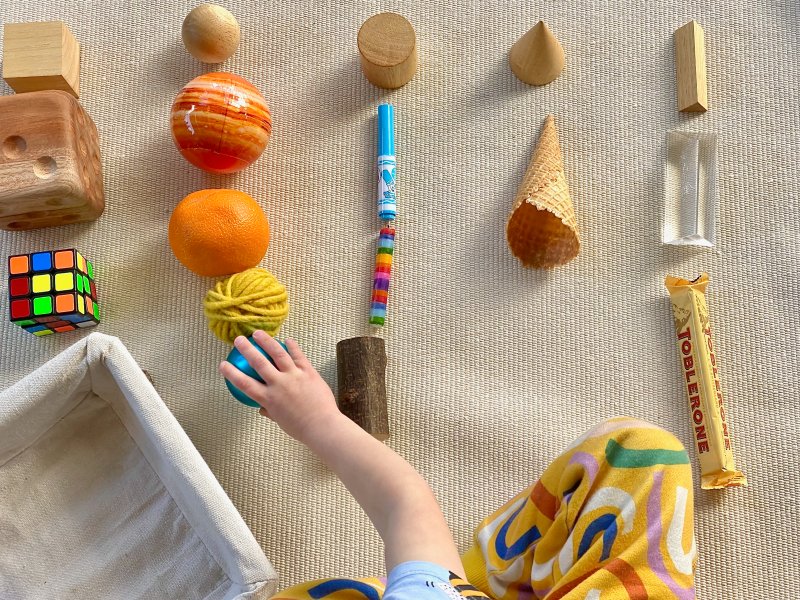
Description: Go on a shape hunt with your toddler. Walk around the house or yard looking for objects in different shapes (circle, square, triangle). Name the shapes together as you find them.
– Skills Developed: Shape recognition, language skills
– Materials Needed: None (or a basket to collect objects)
– Tip: Use shape flashcards or books to reinforce the learning after the activity.
6. Music and Movement
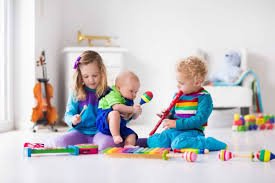
Description: Toddlers love music! Create a fun, interactive music session where your child can play simple instruments (shakers, tambourines) or dance to their favorite tunes.
– Skills Developed: Gross motor skills, rhythm, self-expression
– Materials Needed: Instruments (homemade or store-bought), music
– Tip: Sing songs that encourage movement, like “Head, Shoulders, Knees, and Toes.
7. Counting Fun with Everyday Objects
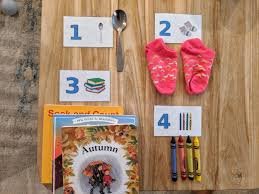
Description: Use objects from around the house (like spoons, toys, or socks) to practice counting. You can line them up and count out loud with your toddler.
-Skills Developed: Early math skills, counting, number recognition
– Materials Needed: Everyday household objects
– Tip: Count during routine activities, like snack time, to make it a part of daily life.
8. Water Play
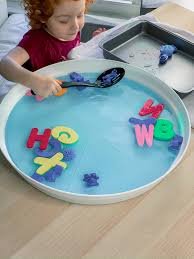
Description: Set up a small water station with bowls, cups, and spoons. Let your toddler pour water from one container to another, experiment with floating objects, and even use toy boats.
Skills Developed: Fine motor skills, problem-solving, sensory exploration
Materials Needed: Water, containers, spoons, toys
– Tip:For added fun, add food coloring or small bath toys.
9. Simple Art Projects
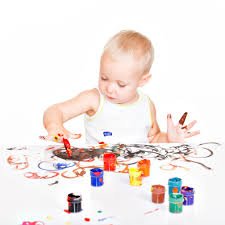
Description: Toddlers love to create! Offer them crayons, markers, or washable paints to make simple art. Drawing, painting, or stamping can help them express themselves creatively.
– Skills Developed: Creativity, fine motor skills, color recognition
– Materials Needed: Paper, crayons, markers, or washable paint
– Tip: Display their artwork at home to boost their confidence.
10. Storytime and Puppet Shows
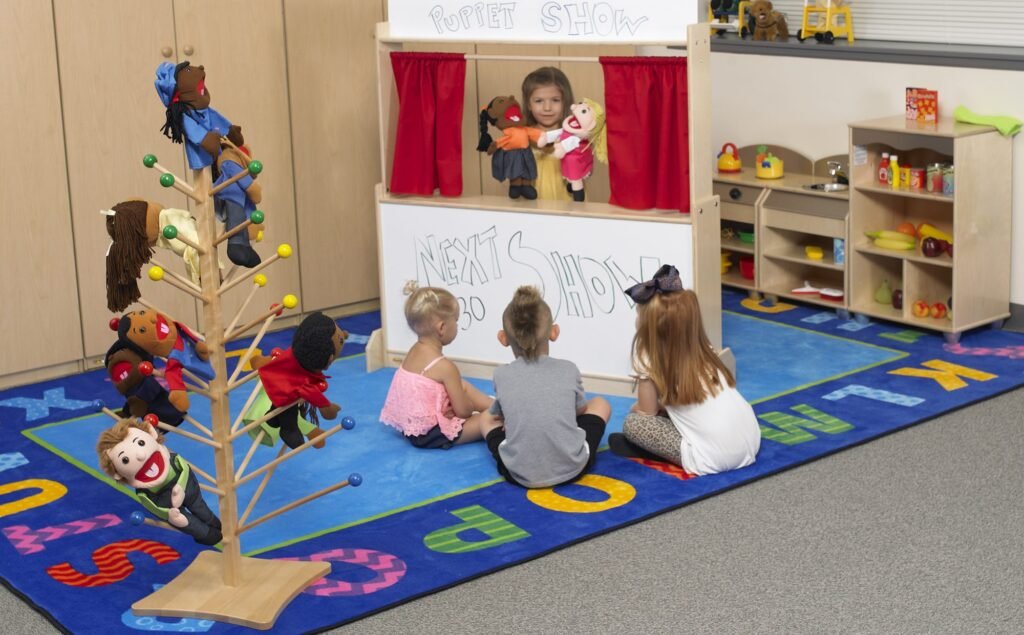
Reading to your toddler is one of the best ways to support language development. Add puppets to bring stories to life, or even act out the story with them.
– Skills Developed: Language skills, imagination, social-emotional development
– Materials Needed: Books, puppets (or make your own using socks)
– Choose interactive books or ones with repetitive phrases that encourage participation.